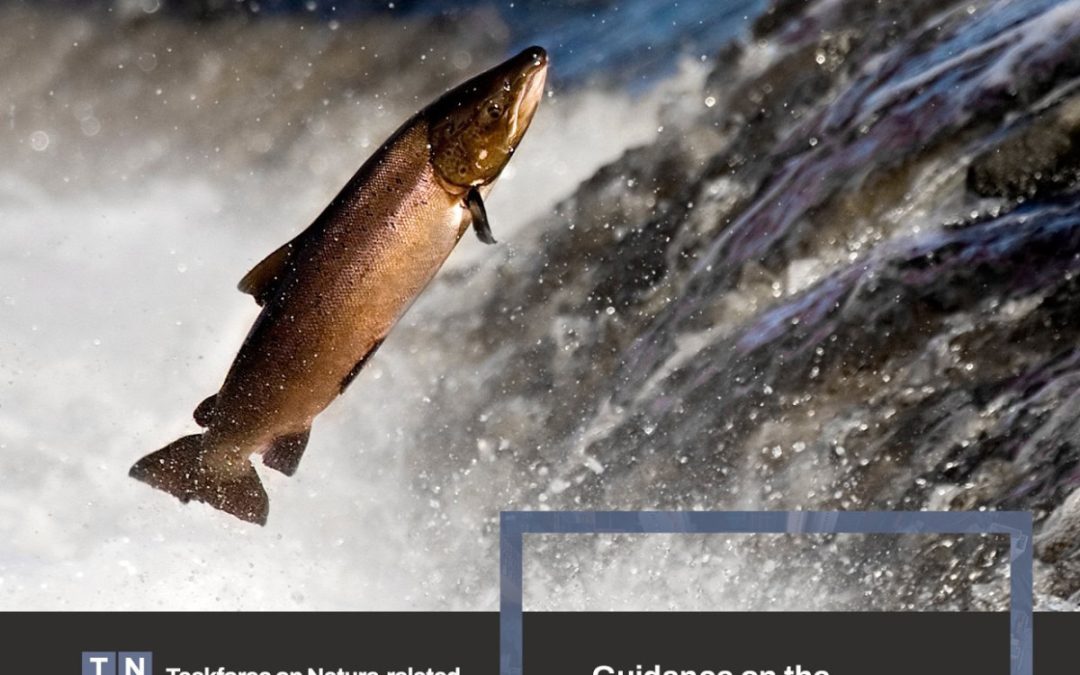
The updated guidance suite, launched on 13 October 2026, offers companies a clearer path to get started, progress, and take action. It provides more flexible pathways, broader coverage for freshwater and land targets, new resources to support implementation, and a...
The Taskforce on Nature-related Financial Disclosures (TNFD) has announced the release of LEAP 2.0, the first comprehensive update to its core methodology and guidance designed to help companies assess and report on their nature-related dependencies, impacts, risks,...
The guest on the latest episode of the An Honest Conversation About Sustainability podcast is Ágnes Szalkai-Lőrincz, an expert in the Community Energy Programme at the National Society of Conservationists – Friends of the Earth Hungary (MTVSZ), and a professional...
What does 73% mean? The Living Planet Index (LPI) monitors 35,803 populations across 5,790 vertebrate species and measures relative change rather than the absolute number of animals: the average annual decline is 2.5%, with confidence intervals ranging between -78%...
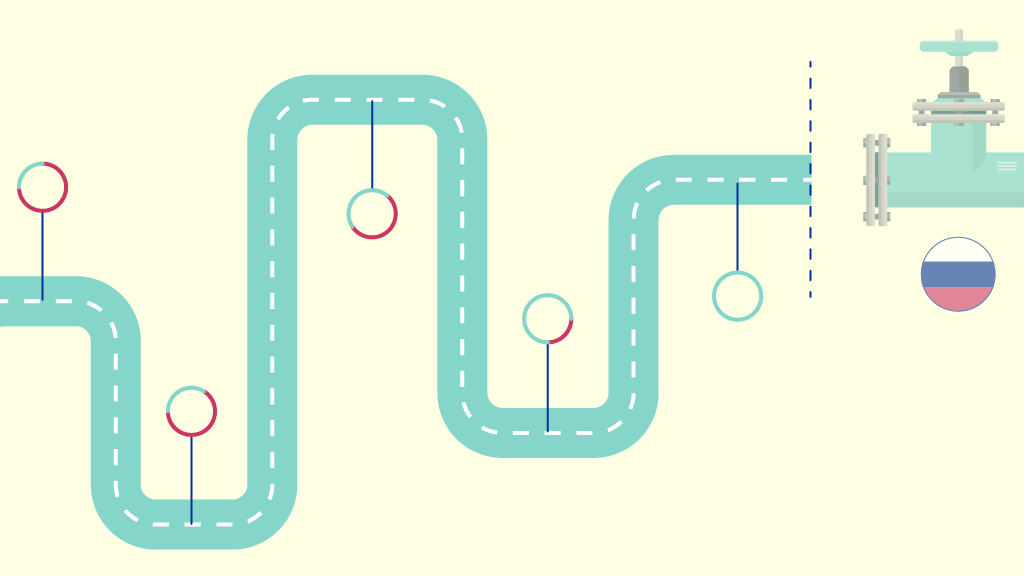
What is REPowerEU? In response to the challenges caused by Russia’s invasion of Ukraine and disruptions in global energy markets, the European Commission implemented the REPowerEU plan to gradually phase out imports of Russian fossil fuels. Launched in May 2022,...
UNEP’s 2026 report, Limiting Overshoot, is founded on a conclusion the agency spent years trying to avoid stating outright: the world will soon cross 1.5°C. A single hot year above the threshold does not mark the breach itself; 2024 was the first full calendar year to...