
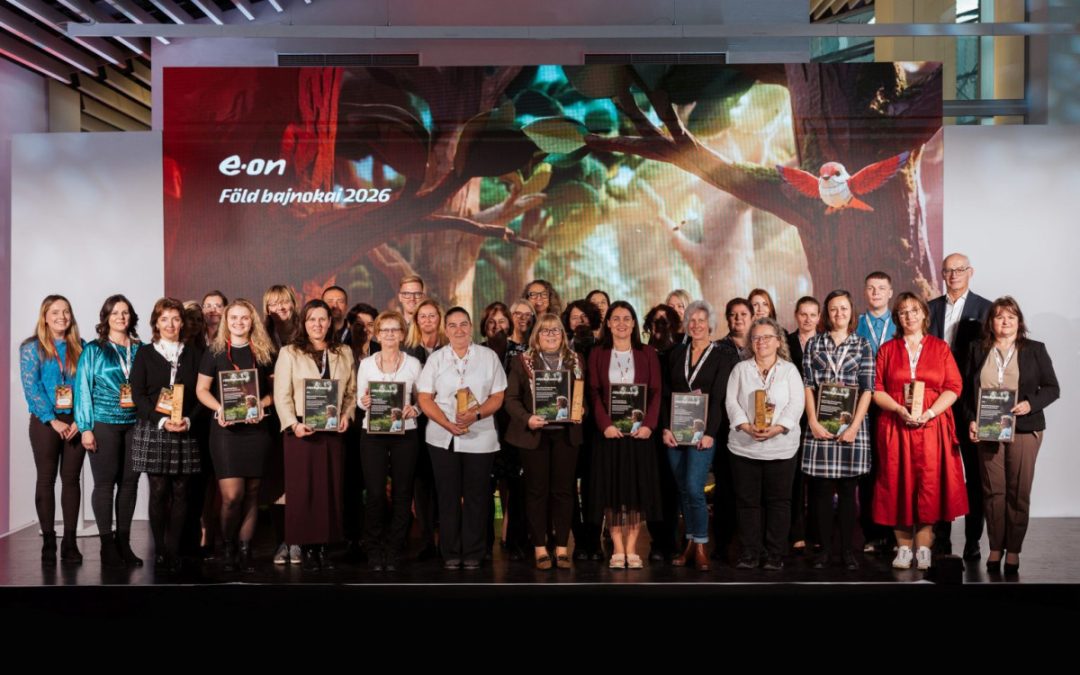
In Hungarian kindergartens and schools, the anxiety felt over the environmental crisis has been replaced by a drive to act and take initiative: communities are seeking solutions and have countless ideas to save our planet. In the fourth year of the Champions of the Earth competition, run by the energy company operating the power grid in Transdanubia, Pest County, and Budapest, a record 18 winning projects—comprising 9 kindergarten, 6 primary school, and 3 secondary school applications—received recognition and up to HUF 2.5 million in funding each. Together with them, 60 kindergarten and school “planet-saving communities” based on cooperation and active participation have received support over the course of four years. The 42 winning projects from the previous three years have already been implemented, and this year’s awardees are now setting out to turn their plans into reality.
The total value of grants awarded to date has exceeded HUF 100 million. The ideas brought to life jointly by children and teachers—often with the involvement of parents and local municipalities—are local, but their impact reaches much further in both time and space, both in terms of shaping mindsets and delivering positive environmental outcomes.
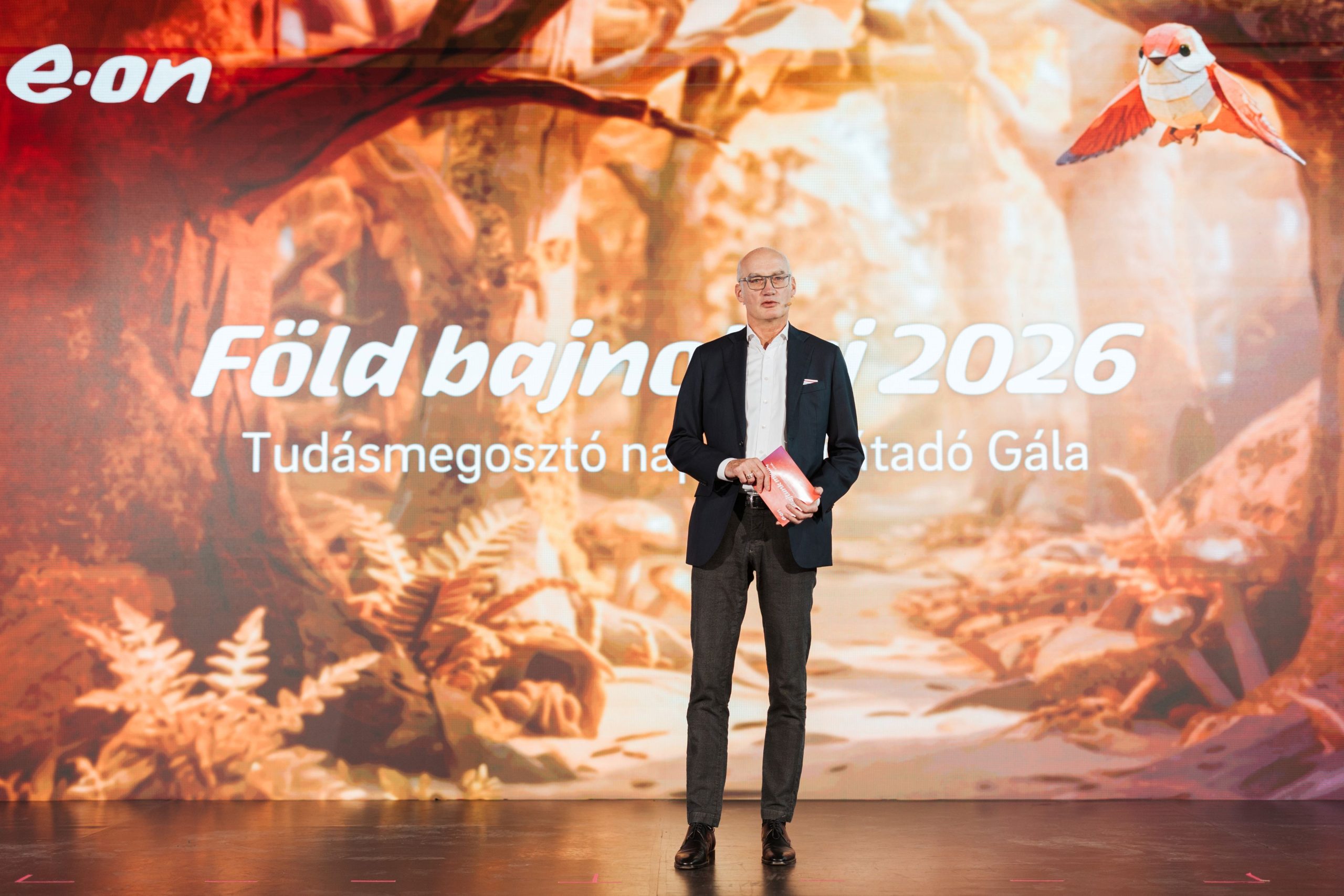
“Our future depends on what we do for our environment today. At E.ON, we follow this principle through our investments, developments, and efforts to shape mindsets. That is why we launched the Champions of the Earth competition: to show that every community can contribute to a more sustainable future. Over the past four years, numerous kindergartens and schools have proven that tangible results can emerge from environmental responsibility when we join forces and take action,” said Guntram Würzberg, CEO of the E.ON Hungária Group.
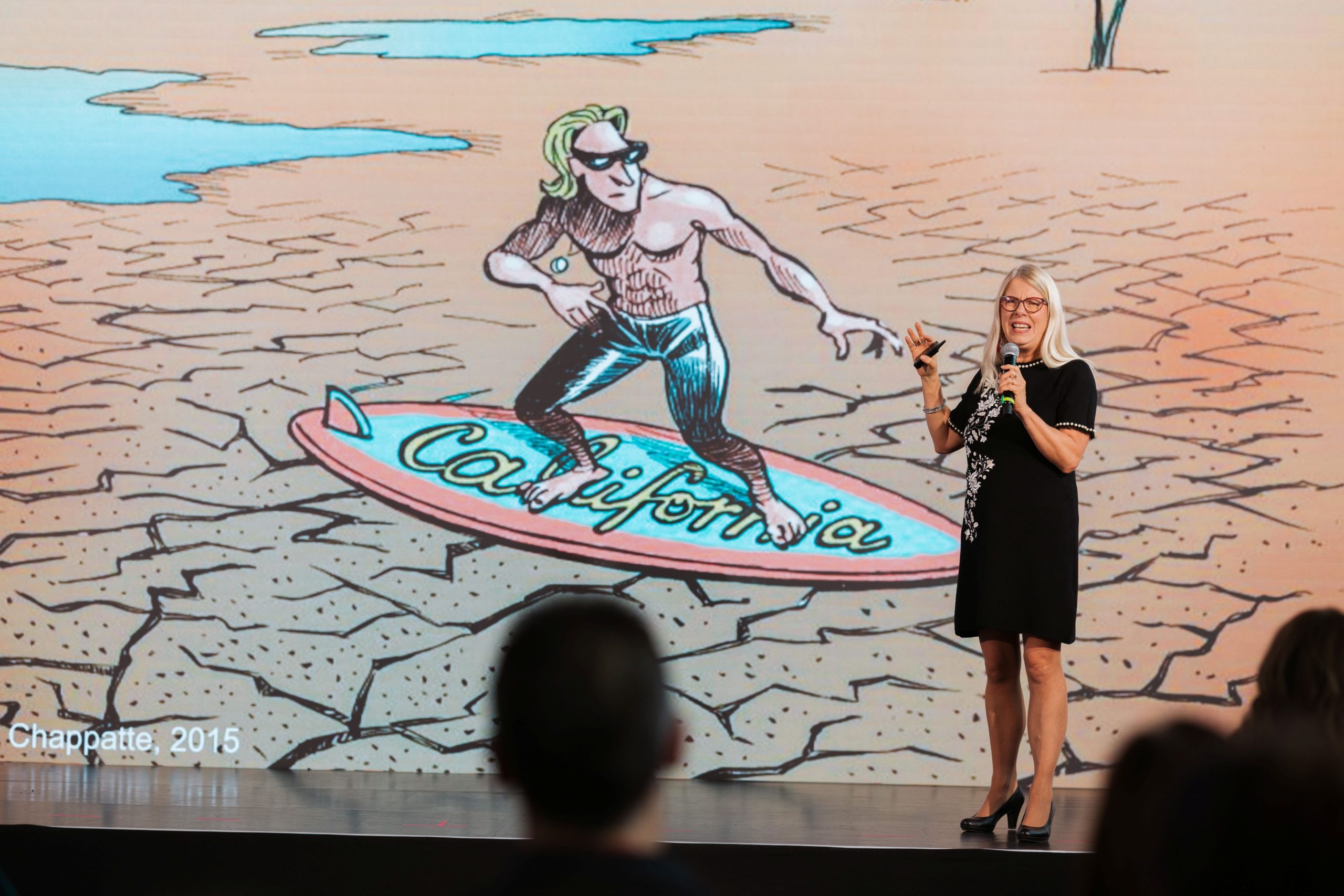
Shade forest, floating bog, mini-Tisza Alongside what can now be called classic bird, insect, or habitat protection programs, the jury was once again surprised by innovative ideas this year. It was striking how keenly several winning projects responded to what is currently happening in the world around the children. In the Shade-Saving Forest of the Kolozsvár Street Kindergarten in Budapest, the children are preparing to create a Miyawaki mini-forest, establishing a micro-environment where the shade grows along with the kids. “Trees not only provide shade, but they are also among the most effective air conditioners. They are the only natural solution for cooling urban areas, and even kindergarteners know this by now,” emphasized physicist and climate researcher Diána Ürge-Vorsatz, Vice Chair of the IPCC and a member of the jury.
As a continuation of their multi-year project, high school students from Szigetszentmiklós are helping revive the Ráckeve-Danube branch—scarred by a 2020 oil spill—using floating wetland islands, water quality monitoring, and drone surveillance. In Záhony, the gravel bed of the Tisza River and the river itself are being brought into the school in miniature to undergo thorough study. In Penészlek, indigenous knowledge from the Andes is being applied to local environmental challenges: an earth-sheltered “walipini” greenhouse cools in the summer and retains heat in the winter, where kindergarteners, alongside their parents and members of the local seniors’ club, will grow edible garden crops.
In Kulcs, a new nature study trail for kindergarteners sets out right beside the country’s first utility-scale wind turbine, while in Vác, a “Green Elf” conjures an oasis amid prefabricated concrete housing blocks. At the “Farmer-School” (Denim-School) in Tótkomlós, outgrown jeans are repurposed into bags and pencil cases adorned with Slovak folk motifs in the spirit of the circular economy, and students at Tóparti High School in Székesfehérvár are planning a waste reduction program based on analyzing the contents of cafeteria trash cans. Gardens also foster inclusion and development: the sensory garden at Szőlőszem Kindergarten in Budapest is tailored to the needs of children with autism, while at the School for the Blind, raised planter beds labeled in Braille allow plants to respond to students through touch, scent, and taste.
“Many believe the ship has sailed and climate change is unstoppable. Ensuring that isn’t the case is our responsibility, too: we must build narratives centered on active engagement rather than despair,” stated journalist and climate communication expert Réka Nagy, a member of the Champions of the Earth jury.
“I used to feel paralyzed by eco-anxiety. For me, joining the 10 Million Trees movement was the way out of that frozen state. Since then, I’ve realized there is no more effective remedy for anxiety than action itself,” emphasizes actress and environmental activist Lia Pokorny, who has served on the Champions of the Earth jury since its inception. Katalin Szomolányi, Managing Director of Planet Fanatics’ Network and fellow founding jury member, shares a similar view: “At the corporate level, I consider it crucial to give momentum to sustainability through our own actions. Even more valuable, however, is learning from an early age just how much each of us can do.”
Long-Term Solutions Champions of the Earth is not merely funding for a one-off project; as earlier initiatives demonstrate, it represents a mindset passed down across generations. Thanks to the efforts of the 2025 winners, Hungary’s first school sponge garden was created in Vác, a kindergarten chicken coop was set up in Decs, a bat monitoring station operates in Visegrád, an 800-tree climate forest and butterfly garden took root in Kunpeszér, and Budapest School built a permaculture green oasis over urban asphalt.
Experiencing the impact of taking part in solving environmental issues at an early age turns the crisis from a daunting threat into a challenge and a chance for collaborative action. For most participating institutions, green thinking integrates into everyday life and the curriculum, with projects handed down from class to class. For instance, the sustainable techniques—ecoprinting, hand spinning and dyeing, and rug tufting—developed in the Jelky András Vocational High School of Arts’ “Slow Down” project (a 2024 winner) are now integrated into the school curriculum, and the student enterprise built upon them has since won a national award. Furthermore, it is not uncommon for past Champions of the Earth recipients to return with brand new initiatives.
The winning projects of the 2026 E.ON Champions of the Earth competition are:
Winning Kindergartens:
-
Enying Szirombontogató Kindergarten, Rákóczi Street Branch: Treasures of the Grove – Complex Eco-Space
-
Podmaniczky János Lutheran Kindergarten, Budapest: Biodiverse Garden – Neurodiverse Community
-
Penészlek Micimackó Kindergarten: Community Kindergarten Garden and Intergenerational Learning
-
Deákvári Kindergarten, Sirály Street Member Unit, Vác: Green Elf Oasis Among Concrete Blocks
-
Kulcs Százholdas Pagony Kindergarten: Educational Trail from Forest to Wind Energy
-
Tabdi Daycare Kindergarten: Living Kindergarten Garden and Sustainable Community
-
Apponyi Franciska Central Member Kindergarten, Fót: Secret Detectives of the Forest
-
Municipality of Budapest District II, Kolozsvár Street Kindergarten: Shade-Saving Kindergarten Forest
Winning Primary Schools:
-
Szent Lőrinc Catholic Primary School, Budapest: School Climate Lab
-
Budapest Unified Special Education Methodological Institution for the Blind: Blind Garden – The Tangible Garden
-
Széchenyi István Primary School, Jászárokszállás: Bird- and Insect-Friendly School
-
Vértessomló German National Minority Primary School: Click onto Nature!
-
Tótkomlós Slovak Bilingual Primary School: Farmer-School (Denim-School)
-
Árpád Vezér Primary School, Záhony: Mini Tisza – The Tisza Moves into School
Winning High Schools:
-
Tóparti High School and Vocational High School of the Arts, Székesfehérvár: The Invisible Energy
-
Batthyány Kázmér High School, Szigetszentmiklós: “Let’s Recreate It!” – Floating Wetland Rehabilitation Project
-
III. Béla High School and Vocational High School of the Arts, Zirc: Circulation in the Heart of the Bakony – School Composting Program
Audience Award Winner:
-
Csicsergő Kindergarten, Gávavencsellő: Little Researchers’ Green Lab
Congratulations to all the winners!